
Last updated:
What causes water stains on the ceiling
Most ceiling stains trace back to one of a handful of sources. On a top-floor ceiling the roof is the most likely culprit, but it is not the only one, and the fix is very different for each.
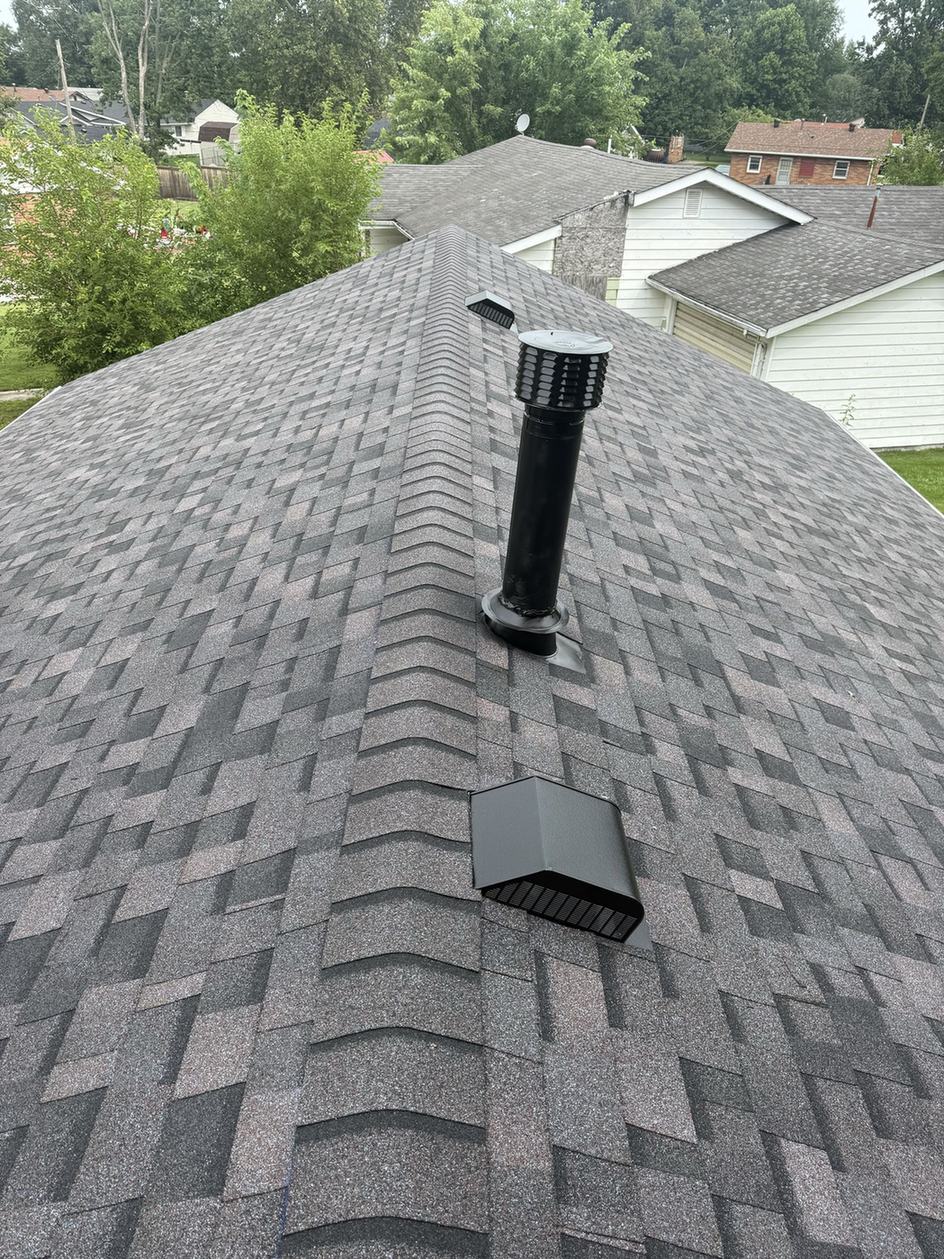
- Roof leaks. Loose or rusted flashing at chimneys and walls, cracked pipe boots and vents, missing or lifted shingles, worn valleys and hail damage can all let water in. Water often runs along the decking or a rafter before it drips, so the stain can be several feet from where the water gets in.
- Ice dams. In winter, snow melts on the upper roof, refreezes at the cold edge and builds a ridge of ice. Meltwater pools behind it and can work its way under the shingles.
- Overflowing gutters. A clogged gutter can back water up behind the gutter, into the fascia and under the roof edge. That often shows as a stain near an exterior wall.
- Plumbing above. Bathrooms, tubs, toilets and supply lines in the floor or attic above can drip slowly for weeks before a stain appears below.
- HVAC condensate lines. An air handler in the attic makes water when it cools the house. A clogged or cracked condensate line, or a full drain pan, can overflow onto the ceiling.
- Attic condensation. Warm, damp air rising into a poorly ventilated attic condenses on the cold underside of the roof deck and drips onto the insulation and drywall.
Brown, yellow or dark: what the color tells you
Water rarely stays clean on its way to your ceiling. It picks up dust, dirt and tannins from the wood it runs across, then leaves them behind as it dries. That is why most ceiling stains are brown or yellow, often with a darker edge where the water stopped spreading.
Rings inside rings are a useful clue. Each ring marks a time the area got wet and dried again, so a stain with several rings has been wet more than once. That usually points to a source that comes and goes, such as a leak that only shows in heavy rain.
Dark gray or black spots on or around a stain can mean mold. Do not scrape, sand or poke at them, because that can spread spores into the room. Leave them alone until the source is fixed and the area can be dealt with properly.
Roof leak or plumbing? How to tell
Timing and location tell you most of what you need to know.
- Points to the roof: the stain is on a top-floor ceiling and appears or grows after rain or snow melt.
- Points to plumbing: the stain sits below a bathroom or a supply line and appears whatever the weather, or grows after someone showers or flushes.
- Points to gutters or flashing: the stain is near an exterior wall and shows up after heavy rain.
- Points to the HVAC or attic: the stain is near the air handler, or shows up in hot, humid weather or on cold mornings with no rain at all.
If you are not sure, keep a simple log: the date, the weather and whether the stain changed. A few entries usually make the pattern clear, and they help whoever comes out to look at it.
Water stain on the ceiling but no leak?
It is common to find a stain and no drip. There are a few likely reasons:
- An old leak that has since stopped, perhaps after an earlier repair.
- A leak that only shows in wind-driven rain, when water is pushed sideways under shingles or flashing.
- Condensation in the attic that only builds up in certain weather.
- An ice dam that let water in during the winter and has since melted.
It is still worth checking. A stain with no drip today can come back with the next storm, and water that soaked the decking or insulation once can keep causing rot out of sight.
What to do right now
- Photograph it. Take a wide shot and a close-up, and note the date.
- Mark the edge. Trace the outline lightly in pencil. If the stain grows past the line, the source is still active.
- Check the attic if it is safe. Use a flashlight and stay on the joists. Look for wet insulation, dark wood, or daylight around vents and pipes.
- Protect your things. Move furniture and valuables, and put a bucket or towels under any drip.
- Watch for sagging. A sagging or bulging ceiling can be holding water. Keep people and pets clear of it and call.
If water is coming in now, we offer 24/7 emergency roof tarping to stop more water getting in until the roof can be repaired.
Can you just paint over it?
Only after the source is fixed and the area is completely dry. Ordinary paint lets the stain bleed back through, so seal it first with a stain-blocking primer, then paint to match the rest of the ceiling.
Painting first is a common mistake. It hides the mark, but if water is still getting in, the stain returns and the damage above it keeps growing where you cannot see it. Drywall that has sagged, crumbled or stayed soft needs replacing, not painting.
When to call a roofer
Call a roofer when the stain is on a top-floor ceiling, when it grows after rain or snow melt, or when you find damp insulation or dark, wet decking in the attic. Those signs point to the roof, and the sooner the source is found, the smaller the repair usually is.
Our roof leak repair service traces the water to where it gets in and fixes the source, not just the spot where it shows. If you are not sure the roof is to blame, start with a free roof inspection: we check the roof and the attic and send you a photo report of what we find.
If clogged gutters are behind a stain near an outside wall, our guide on whether gutter guards are worth it explains how overflow reaches the ceiling and how to stop it.
Related services and guides
What to do next
Hail Mary Roofing & Exteriors is based in Glen Carbon, Illinois, serving the Metro East and St. Louis area. Request a free roof inspection with a photo report to understand your roof's condition. Call (618) 806-9898; if water is coming in, we offer 24/7 emergency tarping.
Limited Lifetime Craftsmanship Warranty on asphalt shingle roofs, transferable to a new owner one time; 10-year craftsmanship warranty on all other work.
More homeowner guides
- How Much Does a Roof Replacement Cost in Illinois?
- How to Get Insurance to Help Pay for Roof Replacement
- How Long Does a Roof Replacement Take?
- What Does Hail Damage Look Like on a Roof?
- Does Homeowners Insurance Cover Hail Damage to a Roof?
- Impact-Resistant Shingles: Are Class 4 Shingles Worth It in Illinois and Missouri?
- What Size Hail Damages a Roof?
- Are Gutter Guards Worth It? An Honest Look for Metro East Homes
- Hail-Resistant Roofs: How to Protect Your Home From Hail in Illinois and Missouri
- How Much Does Roof Leak Repair Cost?